
8 Parts of Your Body You Should Not Ignore After 50
Updated: Sep 24
As you get older, your body changes. After 50, some changes are normal, but that does not mean you should ignore them. Paying attention to your health can help you stay active, independent, and comfortable as you age. Regular checkups, simple exercises, and healthy daily habits can make a big difference.
Here are 8 parts of your body you should pay special attention to after 50.
1. Your Eyes
Your vision can change as you get older, even if you feel like your eyesight is still good.
After 50, you may have a higher risk of cataracts, glaucoma, or age-related macular degeneration. You may also notice that your eyes feel dry, itchy, or gritty.
Make regular eye exams part of your routine. Avoid smoking and talk with your doctor or eye care professional if you notice changes in your vision.
2. Your Teeth and Gums

Your teeth and gums also need extra attention as you age.
Your gums may pull away from your teeth, exposing areas that do not have the same protection as the tooth enamel. Dry mouth can also become more common and may increase your risk of cavities.
Continue brushing and flossing regularly and keep your dental appointments. If your mouth feels unusually dry, ask your doctor or dentist if one of your medications could be contributing to it.
Also, avoid using your teeth to open packages or chew hard objects. Your teeth are not tools!
3. Your Feet
Your feet carry you through your daily life, so it is important to take care of them.
After 50, you may develop problems such as calluses, bunions, or heel pain. Foot problems can also affect the way you walk and may put extra stress on your knees, hips, and back.
Wear comfortable, supportive shoes, even when you are at home. Your feet can also change in size as you age, so have them measured when buying new shoes.
4. Your Pelvic Floor
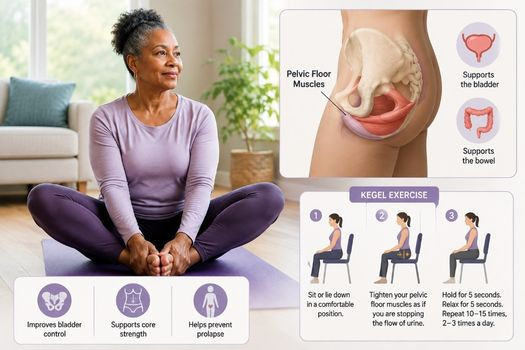
Your pelvic floor muscles support important parts of your body, including your bladder and bowel. They are important for both men and women.
Weak pelvic floor muscles can lead to problems such as urinary or bowel leakage, pain, or pelvic organ prolapse.
Exercises such as Kegels may help strengthen these muscles. Strengthening your core can also provide support. If you experience ongoing problems, talk with your doctor or a qualified pelvic health professional.
5. Your Hips and Knees
Your hips and knees carry much of your body's weight, so they can experience more stress over time.
After 50, joint pain may become more common. Previous injuries, arthritis, extra weight, and other factors can contribute to discomfort.
Staying active can help keep your joints moving. Choose activities that work for your body, and modify them if something causes pain. If joint pain continues or affects your daily activities, talk with your doctor.
6. Your Ears

Hearing loss becomes more common as you get older, and it can happen slowly.
You may first notice that it is harder to understand people in restaurants, family gatherings, or other noisy places. Because hearing changes can happen gradually, you may not realize how much your hearing has changed.
Consider getting a baseline hearing test in your 50s. Good hearing can also help you stay aware of your surroundings and may support better balance and fall prevention.
7. Your Core
Your core muscles help stabilize your body when you sit, stand, walk, and move.
A weak core can contribute to back problems and may make everyday movements more difficult. Strong abdominal muscles also help support your body and may reduce the risk of certain problems, such as hernias.
Simple exercises such as planks can help strengthen your core. Pay attention to any unusual pain, swelling, or lumps and talk with your doctor if something does not feel right.
8. Your Hands
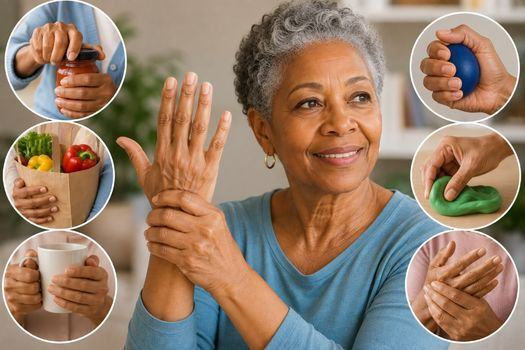
Your hands help you do many everyday tasks, from opening jars to carrying groceries.
Grip strength can also provide information about your overall physical health. A decline in strength may be associated with problems such as frailty, falls, and loss of physical function.
You can keep your hands active with simple exercises, such as squeezing a tennis ball or using therapy putty. If you notice a significant change in your hand strength or movement, talk with your healthcare provider.
Take Care of Your Body After 50
Getting older does not mean you have to stop doing the things you enjoy. After 50, paying attention to changes in your body and taking small steps to care for yourself can help you stay active, comfortable, and independent.
Keep up with your regular checkups, stay active, eat well, and do not ignore changes that seem unusual. When something does not feel right, talk with your doctor or another qualified healthcare professional.
At A Circle of Love Home Care, we understand that staying independent can become more challenging as you age. Our caregivers provide compassionate, non-medical support with everyday activities, companionship, personal care, and more—helping you remain comfortable and safe in the place you call home.
If you or a loved one needs extra support at home, contact us today to learn how we can help.



Comments